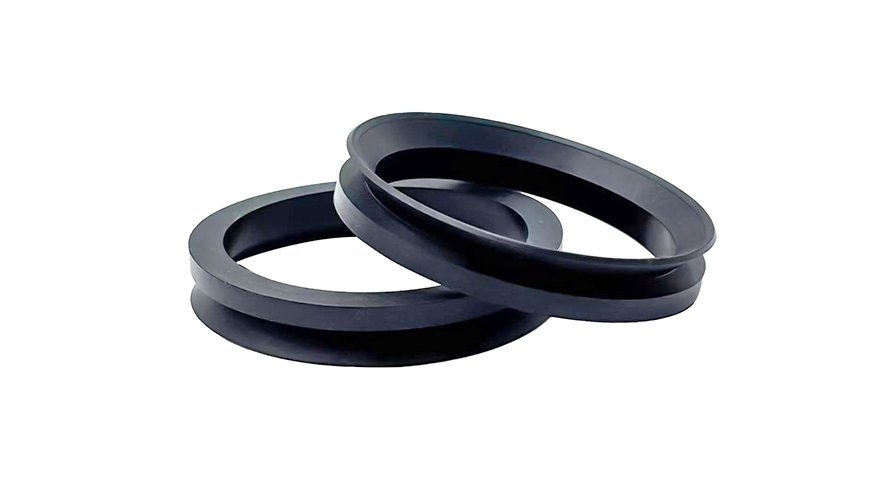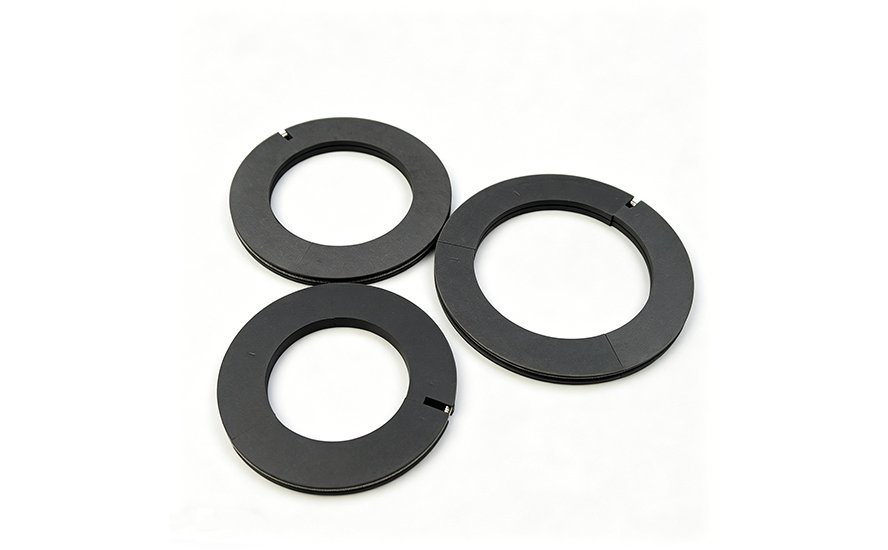



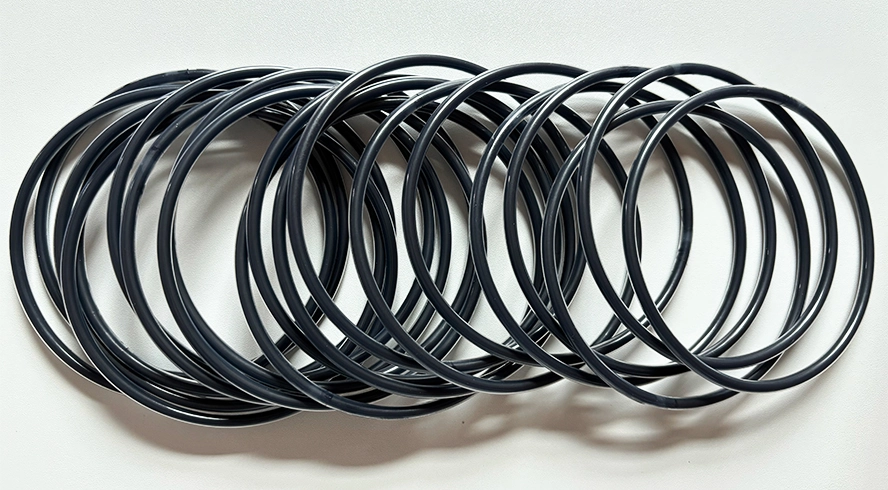
In the global network of energy transport, fuel tankers play a vital role in ensuring safe and efficient delivery. Among all components, sealing performance is especially critical, and this is where the encapsulated O-ring becomes essential. In oil tanker applications, the encapsulated O-ring is commonly used in unloading valve systems and is often referred to as the aluminum alloy bottom loading valve core seal or the fuel tanker foot valve seal ring. Despite the different names, they all refer to the same key sealing component.
In practical terms, the reliability of this sealing element can determine whether a discharge operation proceeds safely or results in leakage and potential hazards.
1. What is an Encapsulated O-Ring?
If you work with fuel logistics, you know the problem with standard materials. Normal rubber O-rings often swell and lose their shape when they touch harsh fuels or ethanol. On the other hand, solid plastic seals like Teflon are chemically strong but too stiff to stop leaks under pressure.
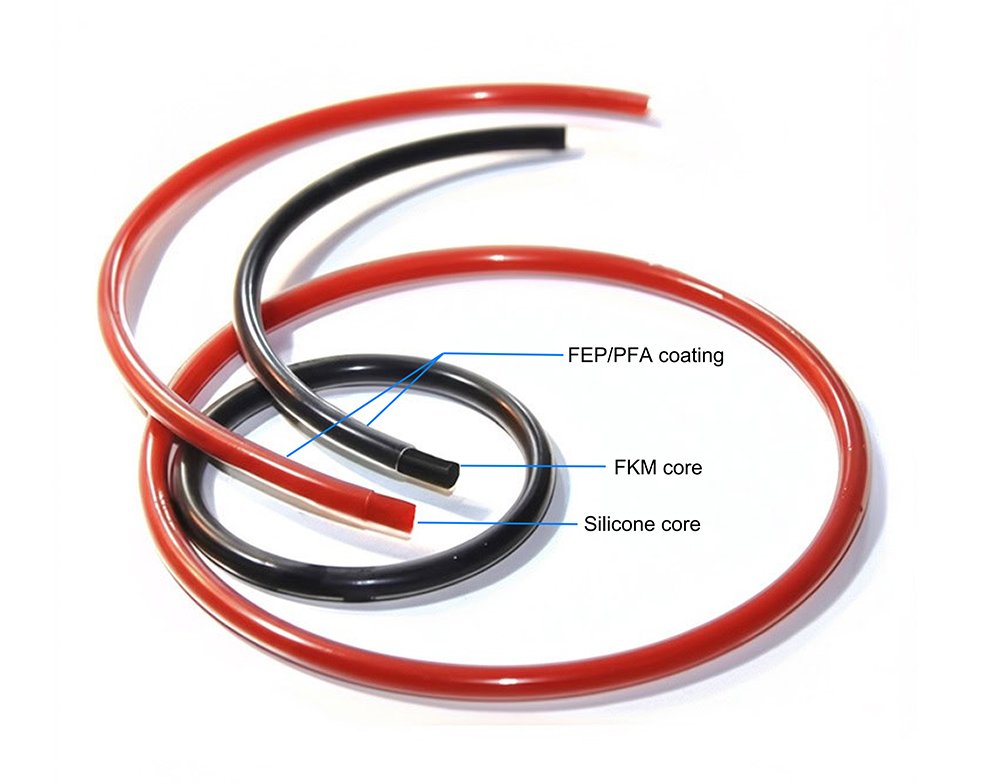
The encapsulated O-ring solves this by combining two materials into one part. It features a seamless, chemically resistant teflon jacket made of FEP or PFA that completely covers an elastic inner core of silicone or FKM(viton).
-
The Outer Jacket: this layer acts as a shield, it stops corrosive fluids and gases from reaching the core, ensuring the seal remains stable even in aggressive chemical environments.
-
The Inner Core: it needs to be compressed and deformed during installation, and continuously provide restoring force during operation to maintain the sealing performance. If the core does not have sufficient elasticity or undergoes permanent deformation, the seal will fail even if the PFA outer layer remains intact. Therefore, the core material must have good compression set resistance, sufficient resilience, and be able to maintain stable physical properties within the working temperature range.
2. Choosing The Materials of Encapsulated O-rings: FEP vs PFA and FKM vs Silicone
Not every discharge valve seal ring is built for the same job. The materials you choose should match your climate and the types of fuel you haul.
The Jacket Options
-
FEP Encapsulation: this is the most common choice for fuel tankers. It can handle temperatures up to 205°C and resists almost all known chemicals. Because it has very low friction, it helps the valve move smoothly without sticking.
-
PFA Encapsulation: if you are transporting fluids that exceed 205°C, PFA is the better option, it can withstand +260°C. It offers the same chemical protection as FEP but stays strong at higher temperatures.
The Core Options
-
FKM (Viton) Core: the color is ually black. This material is famous for its durability and high compression set. It is excellent for heavy-duty use where the seal must hold its shape under the weight of a full fuel tank.
-
Silicone Core: it is usually red color. Silicone is softer and much better for cold weather. If your trucks operate in freezing climates, a silicone-core fuel tanker foot valve seal ring remains flexible while other materials become brittle and crack.
(Note: We avoid using EPDM as a core because the heat during the manufacturing process can damage its performance. FKM and Silicone are the reliable choices for this design.)
3. Why Encapsulated O-ring is Critical for Safety
A leaking valve is a high-risk hazard. If an aluminum alloy bottom loading valve core seal fails, the entire operation must stop immediately to prevent fire or environmental damage.
Most leaks happen for three reasons:
-
Chemical Damage: using simple rubber instead of an encapsulated seal causes the material to soften and break.
-
Vibration: road travel causes constant shaking. A seal without good elastic memory will eventually leave small gaps where fuel can seep through.
-
Installation Errors: the teflon jacket is a precision part. Even a small scratch from a metal tool during installation can lead to a major leak later.

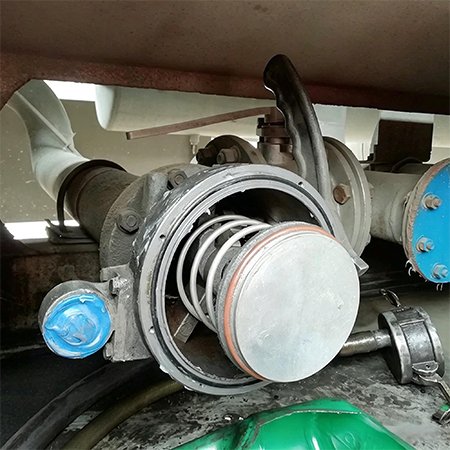
4. Maintenance and Prevention
To keep the discharge valve seal ring working effectively for a long time, follow these simple rules:
-
Use Proper Tools: when replacing a fuel tanker foot valve seal ring, we need to avoid using sharp screwdrivers. Using your hands or specialized plastic tools to prevent tearing the protective jacket.
-
Maintain Cleanliness: sand and grit act like sandpaper, if debris gets trapped between the seal and the valve core, it will wear down the Teflon layer.
-
Monitor Operational Feel: if the valve handle becomes difficult to turn, it often means the seal is damaged or out of position. So we need to do inspection regular to prevent an emergency.
The encapsulated O-ring is a small but essential part of a safe energy transport system. By using a chemically resistant shield over a resilient core, it ensures that your aluminum alloy bottom loading valve core seal performs its job without failure. High-quality seals are the best way to protect your oil gas tanker, your equipment and the environment, to keep everything safety.
Frequently Asked Questions
What is an encapsulated O-ring used for in oil tankers?
It is mainly used as a sealing element in unloading valve systems, where it helps prevent fuel leakage and ensures safe transfer during loading and discharge operations.
Why not use standard rubber O-rings?
Standard rubber materials tend to swell, harden, or degrade when exposed to fuels over time. In comparison, encapsulated O-rings offer much better chemical resistance and maintain more stable sealing performance.
Where are encapsulated O-rings installed in tanker valves?
They are typically installed in critical sealing positions such as bottom loading valve cores and foot valves, where reliable sealing is essential for safe operation.