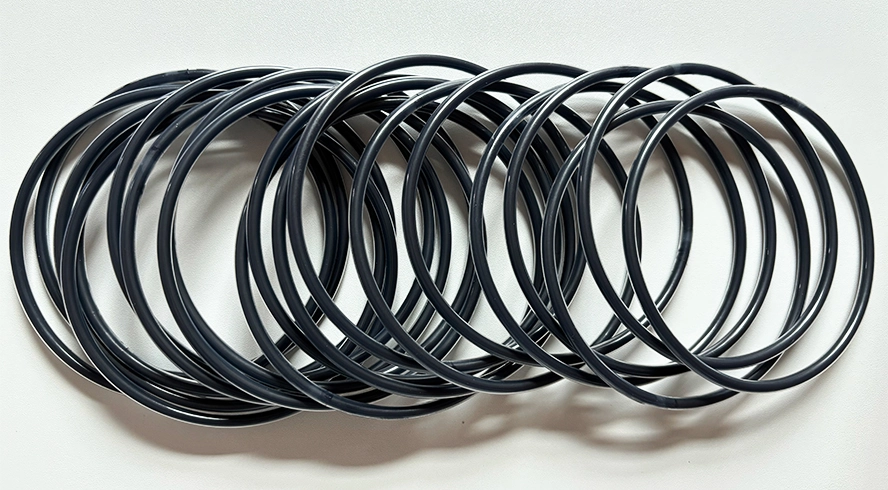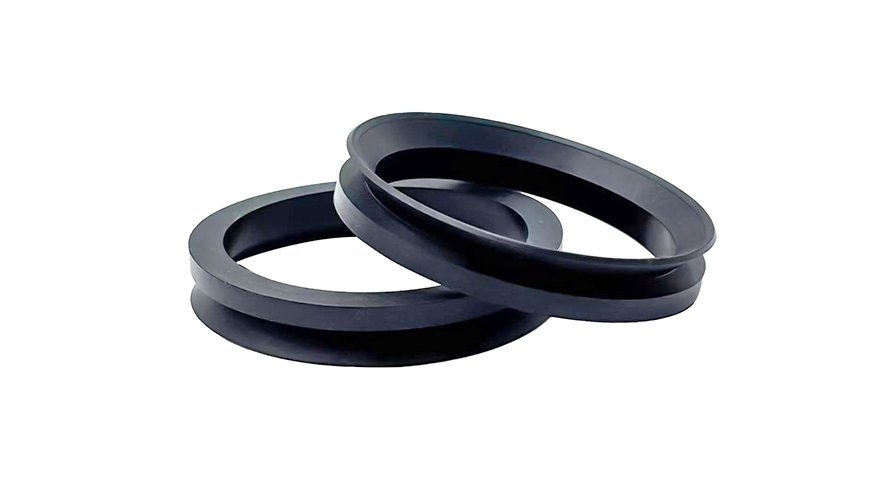



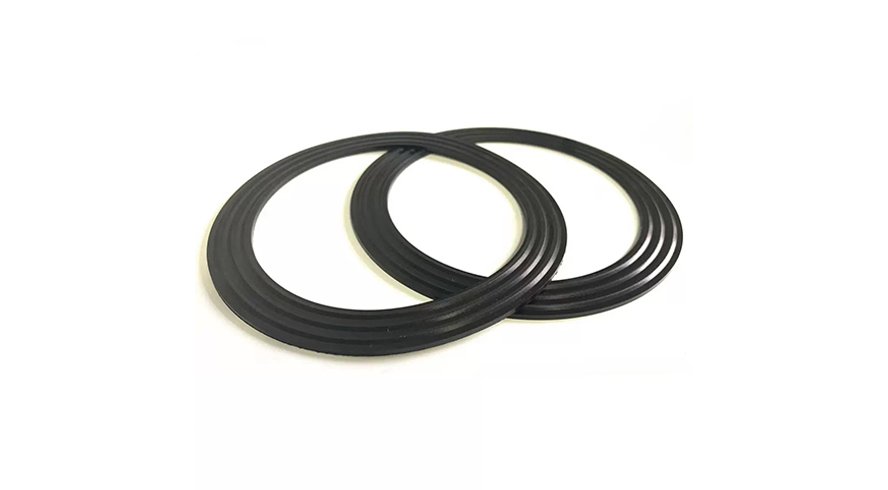
NBR rubber seals are among the most widely used sealing solutions in industrial and mechanical applications due to their exceptional oil resistance, wear resistance, and versatility. They are essential for ensuring reliable sealing, preventing leaks, and maintaining the efficiency of systems in industries ranging from automotive and machinery to chemical processing and energy. As a leading customized NBR rubber seals manufacturer, QZSEALS industrial rubber sealing solutions focus on high-performance materials that exceed standard expectations.
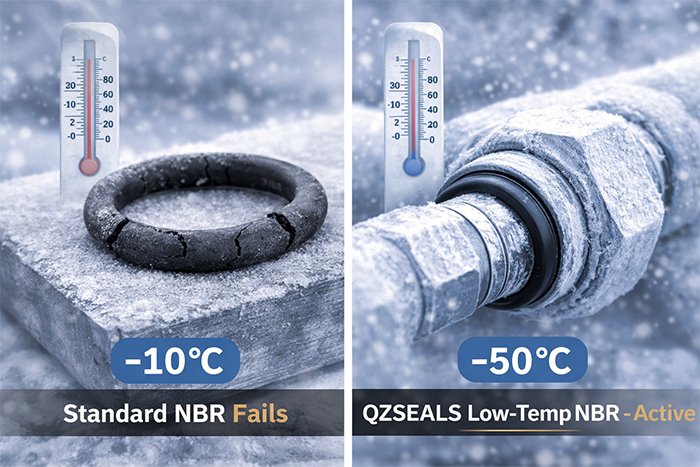
One of the critical challenges in seal performance is low-temperature operation. Standard NBR can become hard or brittle in extreme cold, but advanced formulations allow specialized components to maintain performance as low temperature NBR rubber seals -40°C to -60°C. QZSEALS offers these customizable NBR seals, including custom NBR O-rings for specialized machinery, gaskets, and other OEM NBR rubber seal components for industry designed to meet these demanding conditions.
In this comprehensive guide, we will explore the mechanical, chemical, and physical properties of NBR rubber seals, their advantages and limitations, detailed industrial applications, and insights into selecting NBR seals for extreme cold environments.
What Are NBR Rubber Seals?
NBR (nitrile butadiene rubber) is a synthetic elastomer created from the copolymerization of butadiene and acrylonitrile. This combination provides a balanced set of properties, making it ideal for seals used in oil, fuel, and hydraulic applications. NBR rubber seals are designed to form a tight seal between components, preventing leaks of liquids, gases, or dust, and ensuring the efficient and safe operation of industrial systems.
Key characteristics of NBR rubber seals include:
-
Oil and Fuel Resistance: NBR maintains its sealing ability when in contact with petroleum products and lubricants, making them perfect fuel and oil resistant nitrile gaskets.
-
Wear Resistance: Often utilized as wear resistant NBR hydraulic seals, they can withstand high-friction environments for long periods.
-
Heat Resistance: Capable of retaining elasticity under moderate heat, typically up to 120°C.
-
Customizable Hardness: Available in NBR rubber hardness Shore A 50-90, which can be adjusted for specific compression and load requirements.
Advantages of NBR Rubber Seals
1. Excellent Mechanical Strength
NBR rubber seals offer high tensile strength NBR oil seals performance, making them suitable for applications that involve repeated motion or high mechanical stress. This characteristic is particularly important in dynamic sealing applications, and it explains why use NBR rubber for hydraulic cylinders—it ensures structural integrity where a weak seal could lead to leaks and equipment downtime.
2. Low-Temperature Performance
While many engineers wonder how to prevent NBR seal brittleness in low temperature, the answer lies in advanced polymer engineering. QZSEALS provides low temperature NBR rubber seals -40°C to -60°C formulations designed to maintain optimal performance in cold climates and refrigeration systems. This advanced material retains elasticity and resilience, minimizing the risk of cracks or operational failures.
3. Resistance to Abrasion and Wear
Industrial and automotive environments often involve constant friction and pressure. By using wear resistant NBR hydraulic seals, machinery maintains its integrity in high-friction scenarios, reducing the frequency of maintenance and increasing the service life of expensive equipment.
4. Chemical and Oil Compatibility
As fuel and oil resistant nitrile gaskets, NBR is resistant to a wide range of chemicals, including petroleum products and many organic solvents. While not suitable for highly polar solvents, NBR remains one of the most versatile materials for industrial fluid systems.
5. Versatility Across Industries
From automotive engine NBR O-rings and gaskets to nitrile seals for oil and gas pipelines, the adaptability of NBR makes it a go-to material for both standard and high-specification seal applications globally.
Limitations of NBR Rubber Seals
Understanding the difference between standard NBR and low temperature NBR is crucial.
-
Low-Temperature Brittleness: Standard NBR can harden in the cold. QZSEALS addresses this with specialized low-temperature enhanced compounds.
-
Limited Chemical Resistance: NBR may degrade when exposed to strong acids or polar solvents, requiring chemical reactor NBR sealing solutions to be carefully formulated.
-
Weathering: Standard Nitrile has limited ozone resistance unless specifically treated with anti-ozonants.
Mechanical, Physical, and Chemical Properties
-
Mechanical Behavior: These components can withstand significant tension without breaking, which is essential for high tensile strength NBR oil seals used in dynamic sealing, often tested under ASTM D412 tensile testing protocols.
-
Physical Properties: With a density between 1.0–1.2 g/cm³ and customizable NBR rubber hardness Shore A 50-90, these seals provide a consistent and stable material for manufacturing.
-
Chemical Properties: NBR maintains performance when in contact with oils and fuels, though specialized formulas are required for chemical reactor NBR sealing solutions involving general solvents.
How QZSEALS Enhances Low-Temperature Performance
By mastering how to prevent NBR seal brittleness in low temperature, QZSEALS utilizes:
-
Optimized Formulation: Adjusting the NBR compound with specific plasticizers to achieve low temperature NBR rubber seals -40°C to -60°C.
-
Controlled Manufacturing: Precise vulcanization control—temperature, pressure, and time—ensures the correct crosslink density for durability.
-
Custom Seal Design: We produce custom NBR O-rings for specialized machinery and tailored NBR gaskets for refrigeration systems with tailored geometry.
Industry Applications of NBR Rubber Seals
Automotive Industry
Used in engine systems, transmissions, braking systems, and hydraulic components, automotive engine NBR O-rings and gaskets prevent leaks and ensure smooth operation. Their superior low-temperature resistance allows for reliable performance in cold climates during winter starts, while their inherent oil resistance keeps critical components protected from constant exposure to lubricants and high-pressure fuels.
Machinery Manufacturing
In industrial machinery, hydraulic cylinders, pneumatic systems, pumps, and valves require seals that can withstand high pressures, friction, and repeated motion. Our wear resistant NBR hydraulic seals meet these demanding requirements, significantly reducing system downtime and overall maintenance costs for heavy-duty factory equipment.
Chemical Industry
For pipelines, storage tanks, pumps, and chemical reactors, NBR seals prevent leaks and contain hazardous fluids safely. At QZSEALS, we provide specialized chemical reactor NBR sealing solutions and low-temperature resistant formulations that allow for the safe handling of chemicals in cold storage and complex refrigeration processes.
Food and Pharmaceutical Industry
For this sector, hygiene is paramount. Food grade NBR seals for pharmaceutical equipment are essential for sealing pipelines, containers, and processing machinery. These seals meet strict standards to prevent contamination, ensure product quality, and withstand the cleaning cycles common in these environments.
Energy and Petroleum Industry
NBR seals play a critical role in the energy sector. Our nitrile seals for oil and gas pipelines, wells, valves, and storage tanks provide reliable leak protection even in the most harsh environments. These are often required to function as NBR seals for cold climate hydraulic systems in offshore or high-latitude drilling sites.
Electronics and Electrical Equipment
In electronic equipment manufacturing, waterproof NBR seals for electrical connectors are used for insulating wires and sealing electronic housings. This ensures long-term protection against moisture ingress, dust, and environmental damage, maintaining the integrity of sensitive electrical circuits.
How to Select NBR Rubber Seals for Low-Temperature Applications
Selecting the right seal requires consideration of:
- Temperature Range: Choose seals formulated for -40°C to -60°C if operating in cold climates or refrigeration environments.
- Seal Hardness: The correct Shore A hardness ensures proper compression and elastic recovery.
- Application Type: Dynamic seals require higher wear resistance; static seals focus on compression and chemical resistance.
- Fluid Compatibility: Ensure the seal material is compatible with the fluids and chemicals it will contact.
- Custom Requirements: For specialized applications, custom shapes, sizes, and compound modifications can optimize performance.
QZSEALS offers custom NBR solutions to match these requirements precisely, providing maximum reliability in low-temperature and high-stress applications.
Conclusion
NBR rubber seals are a versatile and reliable choice for industrial sealing applications. Their oil resistance, wear resistance, and low-temperature flexibility make them indispensable across automotive, machinery, chemical, energy, food, and electronics industries.
At QZSEALS, we provide customizable NBR seals, including O-rings, gaskets, and specialized components, engineered to withstand low temperatures from -40°C to -60°C. By choosing QZSEALS, you ensure your systems remain efficient, leak-free, and durable, even in the most challenging environments.
Investing in high-quality, low-temperature resistant NBR rubber seals from QZSEALS guarantees reliable sealing performance and long-term operational safety.