


Selecting the right sealing material is crucial for ensuring the performance and reliability of industrial equipment. PTFE O ring cord and silicone O ring cord are two widely used sealing solutions, but they differ significantly in properties, applications, and cost. PTFE vs silicone O ring cord comparison for industrial use reveals that understanding these differences helps manufacturers, engineers, and maintenance teams how to choose between PTFE and MVQ sealing cords for their specific needs.
This article provides a detailed comparison between PTFE and silicone O ring cord, their characteristics, applications, and practical considerations, including specialized uses such as industrial sealing solutions for nonwoven machinery and meltblown fabric equipment.
What Is PTFE O Ring Cord?
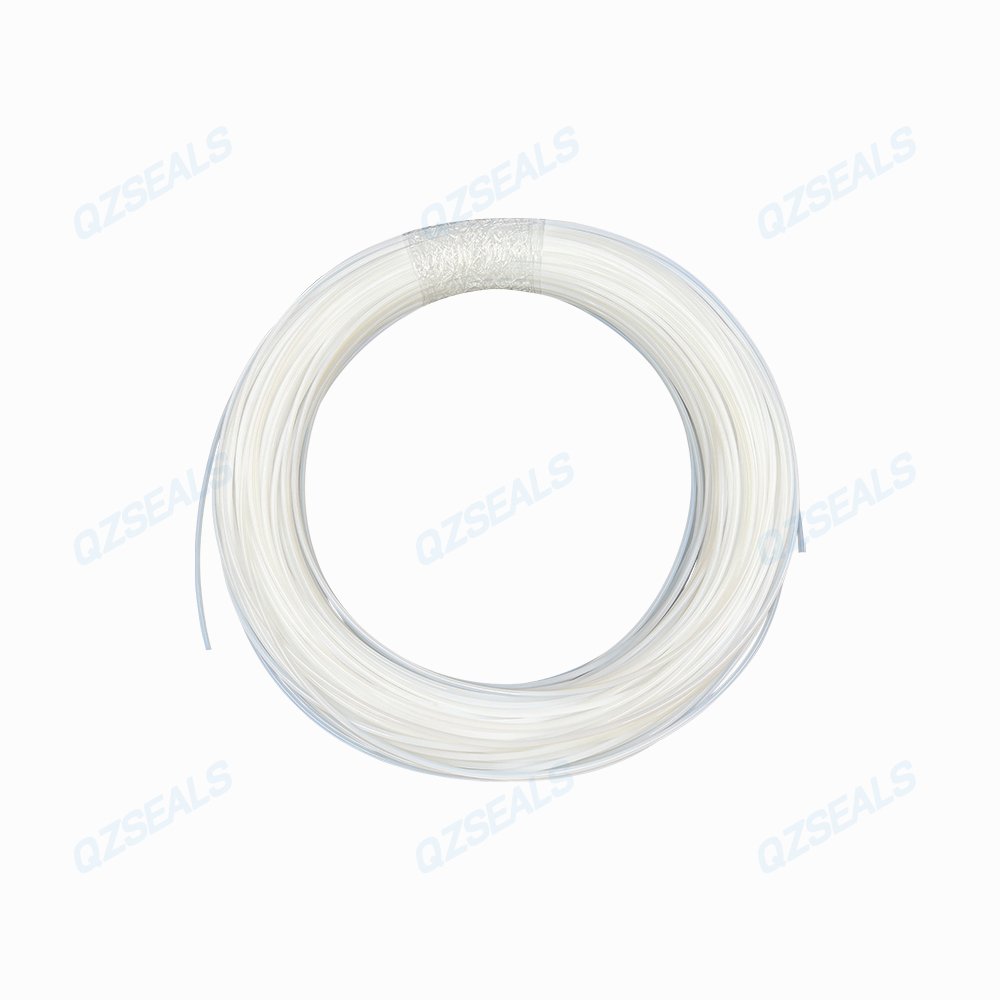
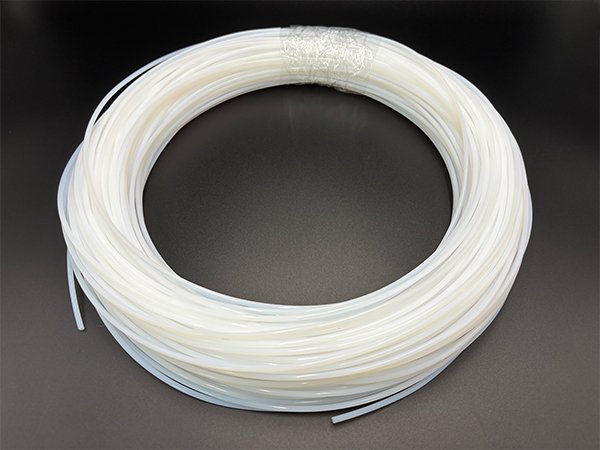
PTFE (Polytetrafluoroethylene), commonly known as Teflon®, is a high-performance fluoropolymer with excellent chemical resistance and thermal stability. A chemical resistant PTFE extruded sealant for static sealing is an extruded product used to create custom-sized O-rings and seals for critical static sealing applications.
Key Properties of PTFE O Ring Cord
PTFE O-ring cord is designed for challenging industrial environments. Its main properties include:
-
Temperature resistance: It features PTFE O ring cord high temperature resistance up to 260°C (short-term up to +280°C).
-
Chemical resistance: Resistant to most chemicals, except elemental fluorine, chlorotrifluoride, and molten alkali metals, making it an ideal chemical processing pipeline PTFE static joint sealant.
-
Low friction: The low friction PTFE round cord for industrial valve sealing is self-lubricating and anti-stick, which is ideal for dynamic surfaces in some industrial settings.
-
Moisture resistance: Non-absorbent, maintaining consistent performance in humid or wet conditions.
-
Electrical insulation: This anti-stick PTFE sealing cord for high-voltage insulation offers high dielectric strength suitable for electrical and electronic applications.
One of the main advantages of PTFE O-ring cord is its ability to seal static joints effectively. When compressed, the cord deforms slightly to fill surface irregularities, ensuring a tight seal. However, PTFE can undergo plastic deformation under prolonged loads, especially at high temperatures, which should be considered during design.
Applications of PTFE O Ring Cord
PTFE cords are widely used in industries where chemical resistance, high temperature, and low friction are critical. Typical applications include:
-
Industrial sealing systems: Static seals in pipelines, valves, and mechanical equipment.
-
Chemical processing: Sealing corrosive fluids and protecting machinery from aggressive media.
-
Electrical engineering: Insulation in high-voltage and sensitive electronic systems.
-
Automotive and aerospace: High-temperature sealing in engines and aerospace components.
-
Construction and machinery: Dust and contamination protection in harsh environments.
-
Nonwoven and meltblown machines: Specifically, utilizing PTFE O ring cord for meltblown fabric machine sealing ensures reliable performance in polypropylene processing, preventing buildup and ensuring long-term operation.
What Is Silicone O Ring Cord?
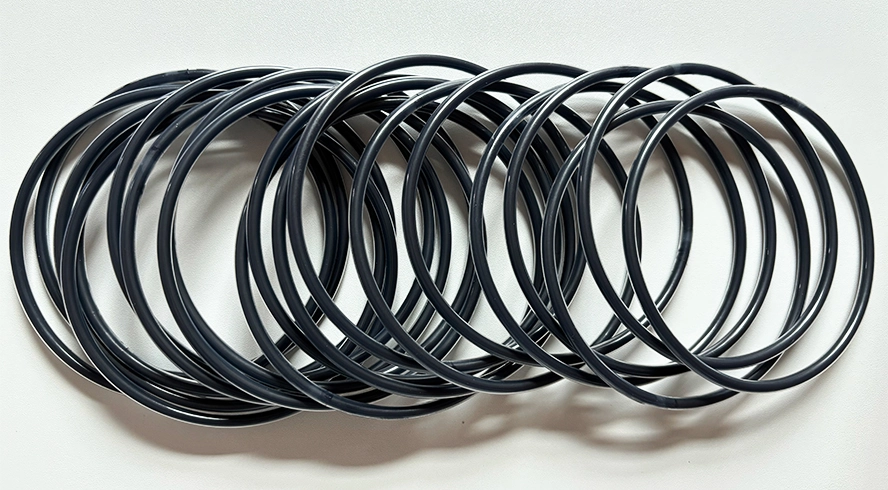
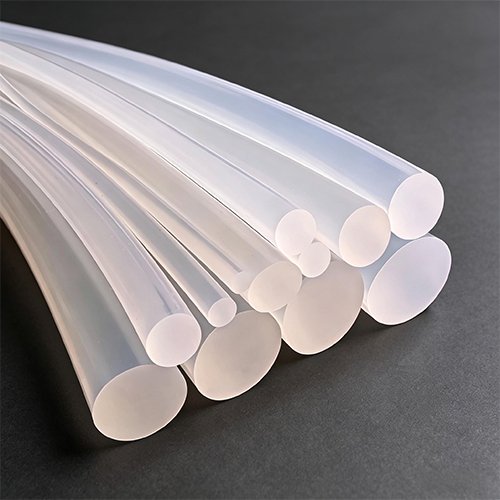
Silicone O ring cord (MVQ rubber) is a flexible elastomer widely used for sealing in environments requiring elasticity, hygiene, and environmental resistance. It is also extruded into continuous lengths, allowing custom size O-ring fabrication for HVAC and construction projects where non-standard diameters are required.
Key Properties of Silicone O Ring Cord
Silicone O-ring cord offers flexibility and resilience with several notable characteristics:
-
Temperature range: -60°C to +200°C (short-term up to +230°C).
-
Elasticity: Provides excellent shape recovery after compression. In an elasticity comparison: silicone rubber vs PTFE O ring cord, silicone remains significantly more resilient.
-
Weather and UV resistance: A flexible silicone rubber cord for outdoor weather resistance performs well outdoors and is resistant to ozone and sunlight.
-
Food-grade and medical safety: There is a high demand for FDA compliant silicone O-ring cord for food processing, which meets BfR standards.
-
Chemical resistance: Resistant to water, alcohols, and some oils, though less resistant than PTFE.
Silicone O-ring cord is particularly suitable for dynamic or semi-static sealing, where flexibility is needed to maintain the seal over repeated movements or vibrations.
Applications of Silicone O Ring Cord
Silicone cords are used in a variety of industries and applications where flexibility and safety are prioritized:
-
Food processing and pharmaceutical equipment: Non-toxic and heat-stable seals for machinery and equipment.
-
Medical devices: Including silicone O ring cord for medical pump and sterilizer sealing, as well as biocompatible seals for pumps and diagnostic equipment.
-
Automotive and aerospace: Sealing fluid systems, engine components, and vibration-sensitive parts.
-
Electrical and electronics: Insulation for high-temperature components.
-
Construction and HVAC: Door seals, enclosures, and anti-vibration gaskets.
-
Custom O-rings: Easily cut and bonded to create non-standard sizes for specialized industrial sealing.
PTFE vs Silicone O Ring Cord – Side-by-Side Comparison
Understanding the differences helps in selecting the most suitable cord, especially when considering the advantages of PTFE cord over silicone in chemical environments:
-
Temperature Resistance: PTFE performs better in extreme temperatures, while silicone is more suited for moderate ranges.
-
Chemical Resistance: PTFE is almost universally resistant; silicone is resistant to water and alcohols but limited against strong acids.
-
Flexibility and Elasticity: Silicone offers superior elasticity; PTFE is rigid and relies on plastic deformation.
-
Friction and Wear: PTFE has very low friction, ideal for smooth surfaces; silicone provides moderate friction but better recovery.
-
Application Type: PTFE is preferred for static sealing, especially in chemical environments. Silicone is suitable for dynamic or flexible applications, including food and medical devices.
-
Cost: PTFE is generally more expensive due to its advanced performance; silicone is cost-effective for general sealing tasks.
This comparison highlights why PTFE is chosen for demanding industrial and meltblown machinery applications, while silicone is ideal for flexible, hygienic, and non-toxic environments.
How to Choose the Right O-Ring Cord
Choosing the right material requires considering temperature, chemical exposure, pressure, and movement:
-
Opt for PTFE O ring cord when chemical resistance, high-temperature stability, and low friction are critical. It is ideal for industrial equipment, chemical pipelines, and PTFE O-ring cord for meltblown fabric machine sealing.
-
Choose silicone O ring cord when flexibility, hygiene, or compliance with food and medical standards is required. Silicone is also preferred when O-rings need to be fabricated on-site in custom sizes.
Proper material selection ensures reliability, longer service life, and cost efficiency for your sealing systems.
Conclusion
Both PTFE and silicone O-ring cord provide unique advantages. PTFE excels in chemical and temperature resistance, low friction, and static sealing, making it indispensable for industrial and high-performance equipment, including nonwoven and meltblown machinery. Silicone, on the other hand, offers flexibility, elasticity, and safety, making it ideal for medical, food, automotive, and outdoor applications.
As a professional custom sized PTFE O ring cord manufacturer, QZSEALS provides both PTFE and silicone O-ring cords in standard and custom sizes, ensuring you have the right material for your specific industrial, medical, or food-processing application.