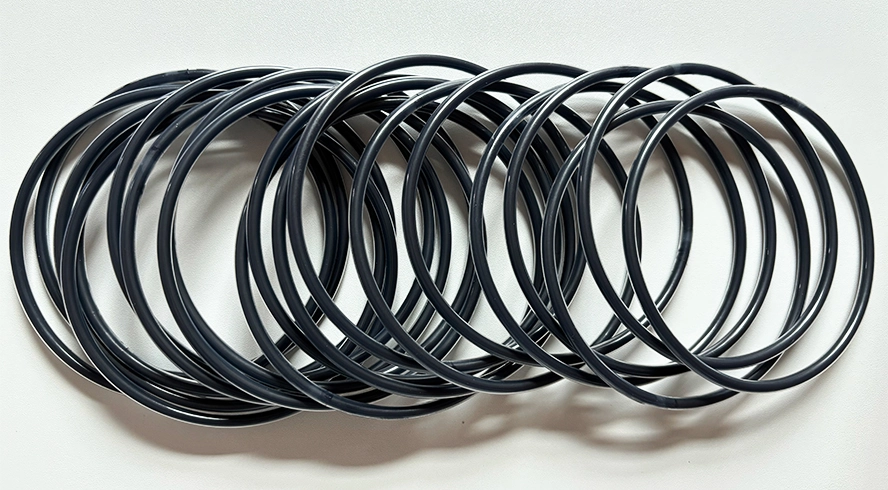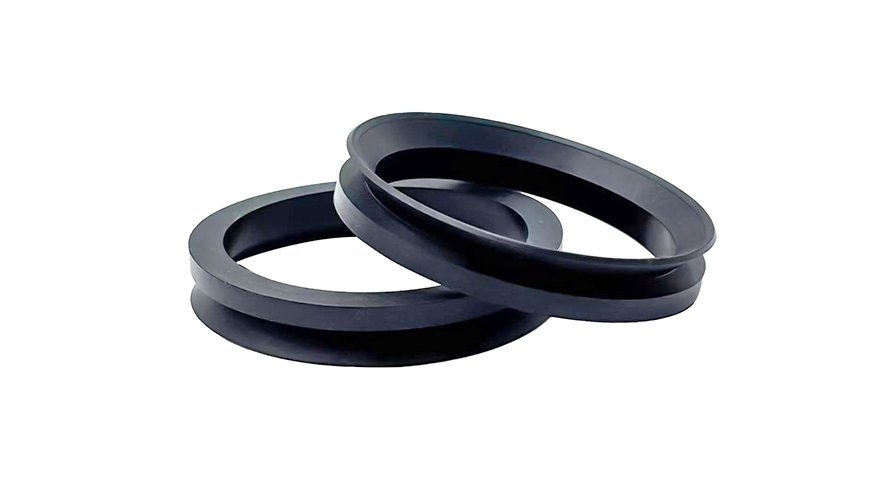



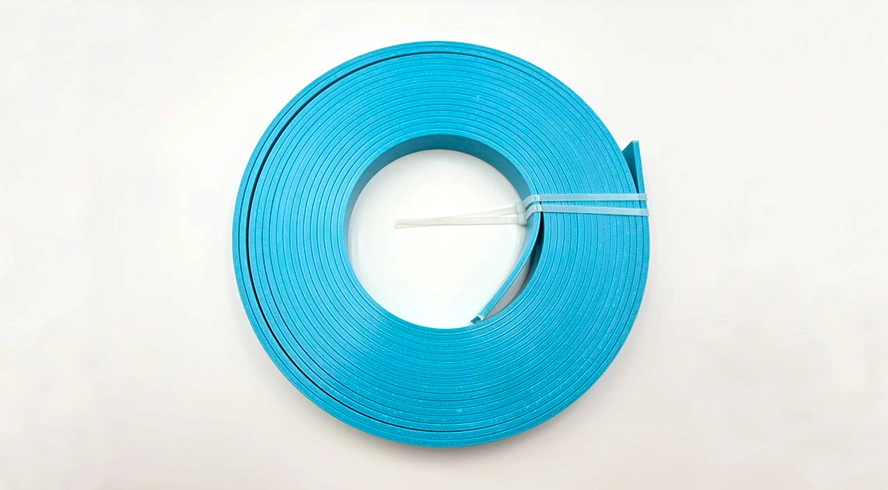
In the world of hydraulic and pneumatic cylinder manufacturing, selecting the right non-metallic guide elements is critical for system longevity and efficiency. Among the most popular choices are phenolic resin with fabric guide tape and PTFE bronze guide tape (PTFE Br40%). While they might appear to serve the same purpose, their mechanical behaviors, load limits, and environmental resistances are vastly different. When you are looking for the most reliable wear strip for hydraulic cylinder applications, understanding these nuances is essential to avoid premature system failure.
This comprehensive guide will break down the technical nuances, help you identify the best GST wear strip solutions, and explain why your choice of hydraulic cylinder guide rings can make or break your mechanical system.
1. The Critical Role of Guide Tapes in Modern Hydraulics
Before diving into the material science, it is essential to understand why non-metallic guide elements have largely replaced traditional metal-on-metal systems.
A high-quality guide support band does more than just “guide.” Its primary functions include:
-
Absorbing Radial Forces: Protecting the piston and rod from eccentric loads.
-
Preventing Metal-to-Metal Contact: Eliminating the risk of “galling” or scratching the expensive cylinder bore.
-
Vibration Damping: Acting as a shock absorber for hydraulic impulses.
-
Improving Seal Efficiency: By maintaining strict concentricity, the guide tape ensures that the primary hydraulic seals and wiper seals operate within their intended extrusion gaps.
2. Deep Dive: Phenolic Resin with Fabric Guide Tape (The Heavy-Duty Specialist)
What is Phenolic Resin Composite?
The phenolic resin with fabric guide tape is a high-strength composite produced by impregnating fine woven polyester or cotton fabrics with thermosetting phenolic resins. To further enhance performance, additives like PTFE or graphite are often incorporated into the matrix.
Key Performance Characteristics
-
Extreme Load Capacity: With a compressive strength reaching 400 N/mm², it is the “heavyweight champion” of the guidance world.
-
Dimensional Stability: These tapes have incredibly low water absorption (<0.1%), ensuring they won’t swell and jam the cylinder in water-based hydraulic fluids.
-
Vibration Suppression: The composite structure is excellent at absorbing mechanical shocks in high-frequency reciprocating systems.
When to Use Phenolic Fabric Wear Strips?
If you are designing construction machinery, metallurgical equipment, or powerful hydraulic presses, this is your go-to material. It excels in “dirty” environments and systems where massive lateral loads are a daily reality.
3. Deep Dive: PTFE Bronze Guide Tape (The Low-Friction Specialist)
Understanding the PTFE Br40% Matrix
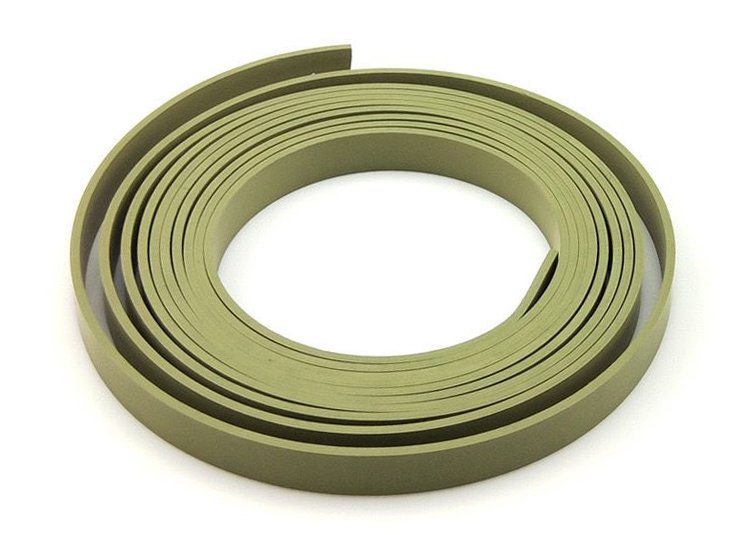
PTFE Br40% guide tape consists of 60% virgin polytetrafluoroethylene mixed with 40% bronze powder. This blend is designed to bridge the gap between the low-friction properties of PTFE and the mechanical stability of metal.
Key Performance Characteristics
-
Ultra-Low Friction Coefficient: PTFE is the gold standard for “slick” surfaces, minimizing energy loss and preventing “stick-slip” effects during slow-speed operations.
-
Thermal Resilience: Unlike phenolic composites, PTFE-Bronze can withstand extreme temperatures up to +250°C.
-
Particle Embedding: A unique “self-healing” feature of PTFE bronze is its ability to allow small foreign particles to embed into the tape surface rather than scratching the rod or cylinder wall.
When to Use PTFE Filled with Bronze?
This material is ideal for precision hydraulic components, high-temperature chemical processing, and systems where smooth, jerk-free motion is critical.
4. Head-to-Head Technical Comparison: Which One Wins?
To make an informed procurement decision, let’s compare the technical data side-by-side.
| Technical Parameter | Phenolic Fabric Guide Tape | PTFE Bronze Guide Tape (40%) |
| Primary Material | Phenolic Resin + Polyester Fabric | PTFE + 40% Bronze Powder |
| Max Compressive Strength | 400 N/mm² (Superior) | 300 N/mm² |
| Tensile Strength | > 36 N/mm² | > 23 N/mm² |
| Temperature Range | -60°C to +130°C / +200°C (Specific) | -60°C to +250°C (Superior) |
| Sliding Speed | ≤ 1.0 m/s | ≤ 15.0 m/s (High Speed) |
| Water Absorption | Very Low (<0.1%) | Zero |
| Best For | Heavy loads, side forces | Low friction, high temp, precision |
5. Critical Selection Criteria for High-Performance Hydraulic Guide Elements
Operating Environment and Media Compatibility
When selecting phenolic resin with fabric guide tape, you must ensure compatibility with your hydraulic media. While phenolic composites are highly resistant to mineral oils and water-based fluids, PTFE bronze guide tape offers broader chemical resistance, especially in the presence of aggressive synthetic fluids or phosphoric acid esters.
Lateral Loads and Surface Pressure
If your system experiences high transverse loads on the rod, the phenolic resin variant provides better resistance to deformation. Overloading a PTFE bronze strip can lead to “cold flow” or permanent flattening, which increases the extrusion gap and risks seal failure.
Surface Finish Requirements
PTFE bronze is more “forgiving” regarding surface finish. However, for maximum lifespan, phenolic resin fabric wear resistant tape requires a well-polished mating surface (typically Ra 0.2 to 0.4 µm) to prevent accelerated wear of the fabric base.
6. Pro Tip: The “Hybrid Guidance” Strategy
Many high-end hydraulic engineers are now using a dual-material guidance system.
In this setup, a phenolic resin guide ring is used to handle the heavy radial forces, while a PTFE bronze guide strip is placed nearby. The PTFE element acts as a “sweeper” to catch contaminants and provide a low-friction “film” on the sliding surface, while the Phenolic element provides the structural backbone. This hybrid approach significantly extends the service life of hydraulic cylinders.
7. Installation and Maintenance Best Practices
To ensure your GST wear strip or wear strip for hydraulic cylinder performs at its peak, follow these industry standards:
-
Groove Inspection: Always ensure the simple groove design is free of burrs and sharp edges that could tear the fabric or score the PTFE.
-
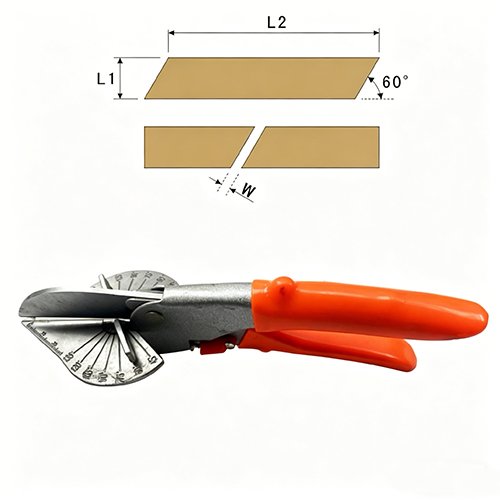
The “Gap” Calculation: Never install a guide ring as a closed circle. You must leave a thermal expansion gap (Z-cut, 45° cut, or straight cut) to prevent the ring from expanding and seizing when the oil heats up.
-
Correct Sizing: Using a 10m continuous roll allows you to cut custom sizes, reducing waste. Ensure the length is calculated accurately: L = π × (D + d) / 2 (where D and d are the guidance diameters).
8. Conclusion: Choosing Your Winning Material
There is no “better” material—only the “right” material for your specific application.
-
Choose phenolic resin with fabric guide tape if you need high dynamic compressive strength, superior shock absorption, and cost-effective guidance for heavy machinery.
-
Choose PTFE bronze guide tape if your priority is low friction, high-speed operation, extreme temperatures, or protection against fine particulate contamination.
At QZSEALS, we provide both high-performance blue phenolic resin rolls and PTFE Br40% rolls to meet any industrial requirement. Investing in the right guide tape today prevents expensive cylinder downtime tomorrow.