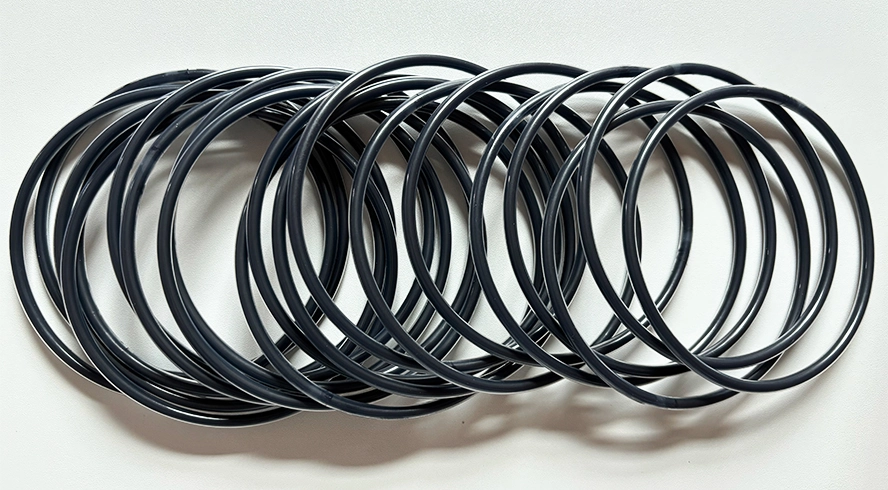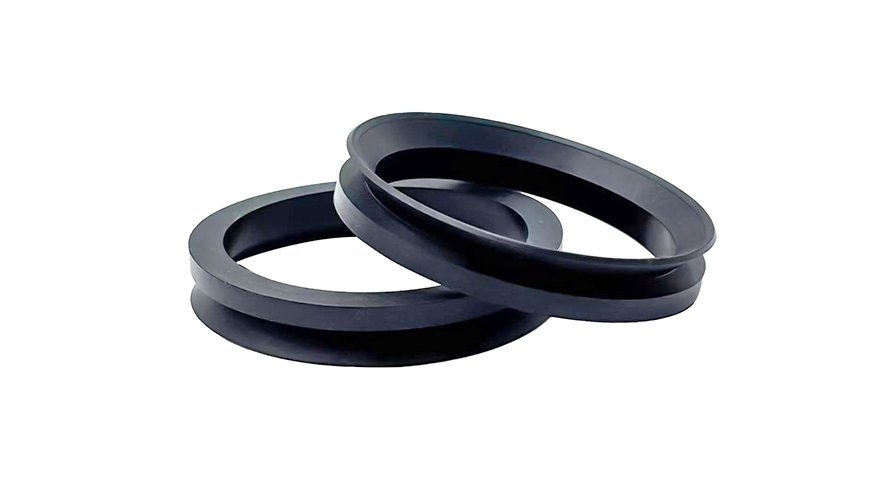




1. Introduction: Understanding Sealing Springs and Their Role in Industrial Systems
In modern engineering, the reliability of a sealing system often depends on more than just the polymer lip. Sealing springs act as the “heart” of high-performance seals, providing the necessary energizing force to ensure leak-free operation. Depending on the specific pressure, friction, and environmental requirements, industry-standard solutions include meander springs, helicoil springs, canted springs, and full contact springs.
Choosing the right type of sealing spring is essential for achieving optimal sealing performance. In many cases, engineers need to evaluate factors such as load, friction, temperature, and motion conditions when determining how to choose sealing springs for a specific application.
This constant energization helps prevent the ingress of dust, dirt, moisture, and harmful substances. Furthermore, during the lifecycle of a system, natural wear is inevitable. Sealing springs compensate for this wear and material “cold flow,” maintaining the required contact pressure and ensuring the long-term service life of spring-energized PTFE seals. Properly selected and installed springs significantly reduce maintenance costs and increase equipment productivity across the oil and gas, chemical, and aerospace industries.
2. Types of Sealing Springs
Sealing springs are designed with different geometries to meet specific load, friction, and sealing performance requirements. Each spring type provides a unique balance between flexibility, force, and durability, making it suitable for different operating conditions.
Understanding these structural differences is critical when selecting the most appropriate spring for dynamic, static, or low-temperature applications.
2.1 Meander Springs: The Versatile Solution for Dynamic Sealing
Meander springs, also widely referred to as Cantilever springs, V-Springs, or U-Springs, are among the most versatile energizers in the sealing industry. Characterized by their V-shaped or U-shaped pattern, these springs provide an even linear load over a wide deflection range.
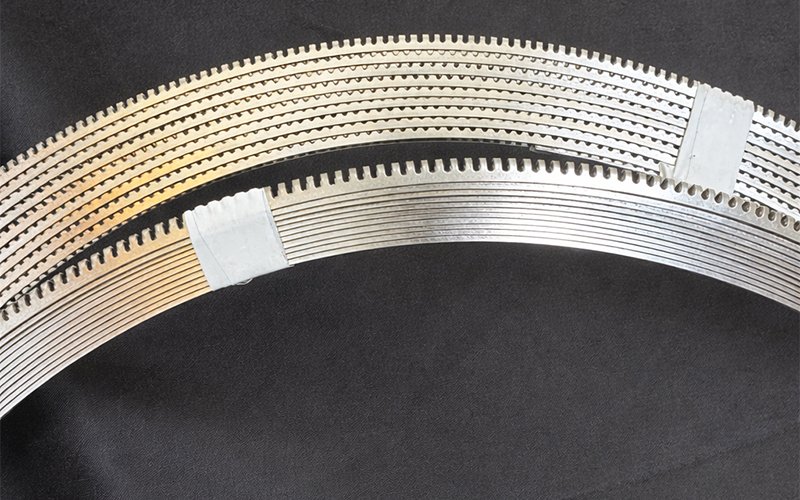
Meander springs are typically manufactured from a metal strip that is stamped or chemically etched and then formed into a rounded “V” shape. This unique geometry allows the spring to concentrate its load on the leading edge of the seal lip, which is ideal for PTFE spring seals that act as scrapers.
Applications
They are the recommended choice for reciprocating rod and piston sealing assemblies where low friction is a priority. Because the V-shape allows for separate tabs, the spring remains flexible even in radial and axial seal designs.
Operating Range and Performance
Typically, the operating temperature for a V-shaped meander spring ranges from -60°C to 260°C, making it a great all-rounder for the oil and gas industry. Meander springs provide a moderate load and are additionally activated by the system’s pressure, ensuring tightness without excessive friction.

2.2 Helicoil Springs: High Load for Static and Cryogenic Excellence
When the primary goal is achieving a gas-tight seal in extreme environments, helicoil springs (also known as coil springs) are the premier choice. A helicoil spring is made of a continuous circular spiral wound from a rectangular metal band. Unlike the meander type, this spring compresses in a radial direction, creating a very high load relative to its deflection.
Helicoil springs are the ideal solution for cryogenic seals and ultra-low temperature applications. At extremely low temperatures, sealing materials experience a significant increase in their modulus of elasticity (they become stiff). The high load provided by a helicoil spring is necessary to overcome this stiffness and maintain a seal against coarse surfaces.
Best For: Static applications such as pressure vessels, end caps for pumps, and compressors.
Limitation: Due to their high load, they are generally not suitable for high-speed dynamic applications where low friction is required, nor can they withstand extreme eccentric motion.
2.3 Canted Springs: Precision Friction Control for Dynamic Motion
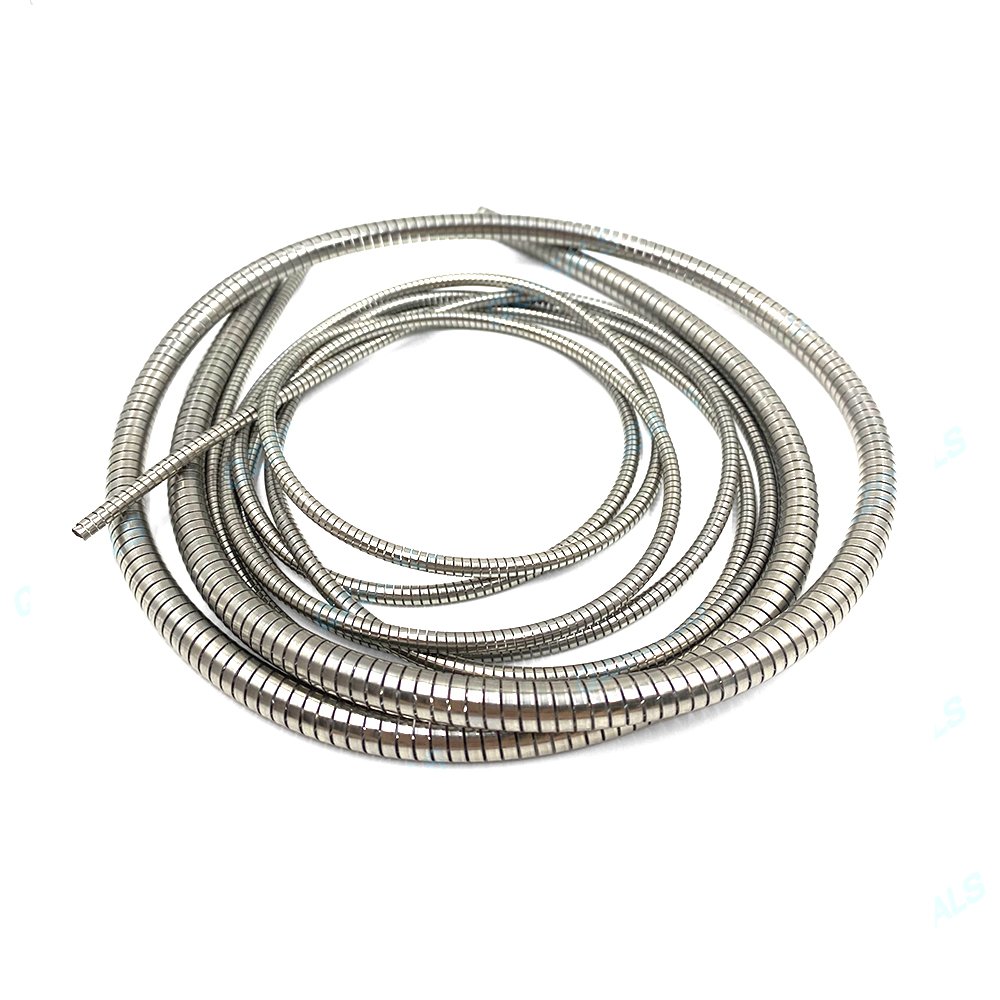
Canted springs (also known as slant coil springs or inclined spiral springs) represent the cutting edge of sealing technology. These springs are made of round wire coiled into an elliptical shape in an inclined position.
The standout feature of canted spring is their flat load-deflection curve. Unlike any other type of spring, a canted coil spring generates a near-constant force over a very wide range of working deflection. This makes them the ideal component for friction-sensitive applications that require tight break-off and friction control during operation.
Advantages in Dynamic Systems: They are ideal for applications involving high-speed rotational or reciprocating motion. They compensate for high run-out and large oil seal tolerances while providing nearly zero compression variation.
Specialized Use: Often found in rapid shutdown devices where multiple on/off cycles are required. If you want to achieve constant, predictable loads over a very wide range of deflection, the inclined coil spring is the solution.
2.4 Full Contact Springs: The Heavy-Duty Choice for Extreme Static Conditions
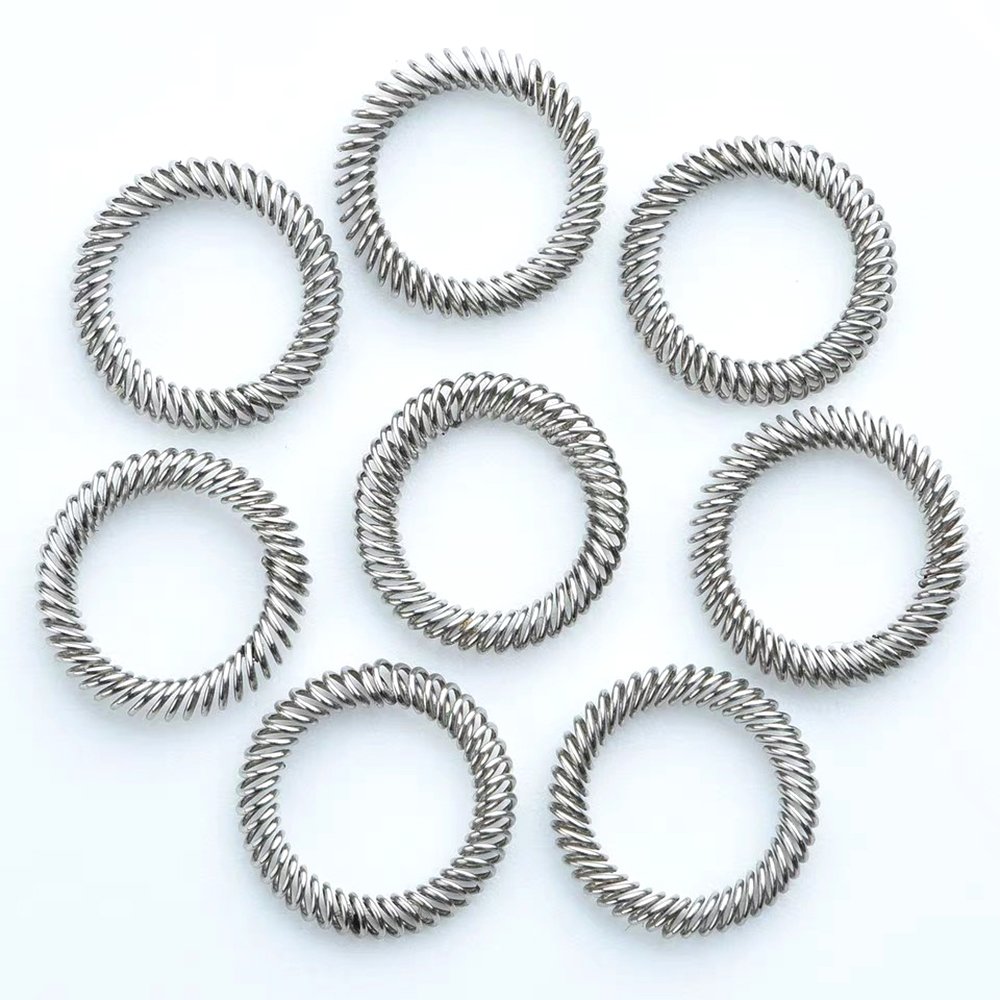
The full contact spring (also known as the Raco Spring or Continuous Contact Spring) is a heavy-duty, high-load energizer. Its design ensures that the metal is in constant contact throughout the entire seal lip.
This spring is the recommended choice for extreme static sealing conditions, such as those involving cryogenic liquids, ultra-high vacuum, and the forced sealing of light gases. Because it features a continuous fin along its outer sides, it acts as a structural element within the seal, preventing the polymer shell from thermal compression under extreme cold.
Design Note: Due to its rigid geometry, the full contact spring is primarily used in axial (mechanical) seals and often requires welding once placed in the seal casing. It is the ultimate insurance policy for mission-critical vacuum and cryogenic interfaces.
3. Material Selection: Matching the Spring to the Environment
The performance of meander spring, helicoil spring, canted spring and full contact spring is only as good as the metal they are made from. At QZSEALS, we offer a range of high-performance alloys to match your specific chemical and thermal requirements:
| Material | Key Characteristics & Temperature Range | Recommended Use Case |
| SS301 (1.4310) | Superior wear resistance and fatigue strength; up to 500°F. | Dynamic meander springs with high cycle counts. |
| SS304 | Excellent machinability and high toughness; up to 450°F. | Standard industrial sealing environments. |
| SS316 | Molybdenum-enhanced for superior corrosion resistance; up to 400°F. | Chemical processing and marine applications. |
| Hastelloy C-276 | Outstanding resistance in the most aggressive chemical environments. | Acids, chlorides, and strong oxidizers. |
| Inconel 718 | Superior fatigue, radiation, and oxidation resistance; -253°C to 700°C. | Aerospace and high-temperature vacuum furnaces. |
| Elgiloy | Non-magnetic Co-Cr-Ni-Mo alloy for the harshest environments; -454°C to 800°C. | Extreme sour gas (H2S) and cryogenic liquid sealing. |
4. Engineering Guidance: How to Choose Sealing Springs?
Selecting the right sealing springs requires a holistic view of the system. Engineers must consider:
Seal Type: Is it a mechanical seal, a rotary oil seal, or a static flange gasket? The spring must be compatible with the seal’s housing.
Environment: Consider the “STAMPS” factors—Size, Temperature, Application, Media, Pressure, and Speed.
Friction vs. Tightness: As the load from the spring increases, the seal becomes tighter, but friction and wear also increase. For low-friction dynamic motion, canted spring or light-load meander spring are preferred. For gas-tight static sealing, helicoil spring or full contact spring is better.
Tolerance Compensation: The range of spring deformation affects the seal’s ability to compensate for seat groove height changes or cold flow. Larger cross-sections generally allow for higher permissible deformation.
5. Conclusion: Selecting the Right Sealing Springs for Your System
The choice between meander springs, helicoil springs, canted springs, and full contact springs is the foundation of a reliable sealing system. Each geometry serves a specific mechanical purpose—from the constant-force precision of canted coil spring to the high-pressure tenacity of full contact spring in cryogenic environments.
At QZSEALS, we bridge the gap between material science and mechanical engineering. Our sealing springs are manufactured from high-performance alloys like Inconel 718 and Elgiloy to ensure stable loading and corrosion resistance. By selecting the optimal spring-energized solution, you can significantly reduce unplanned downtime and maximize equipment longevity.
Contact the QZSEALS technical team today to discuss your specific requirements for meander springs, helicoil springs, or custom canted spring solutions. We provide the precision-engineered products that keep your industry moving forward.