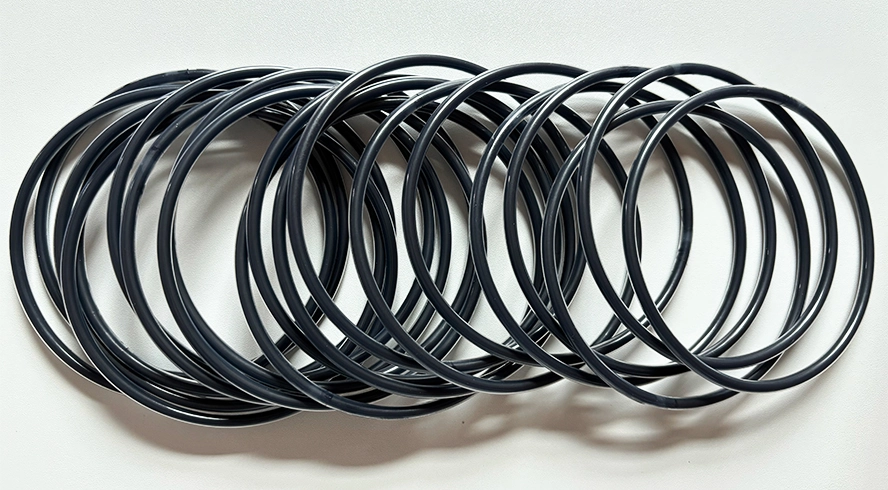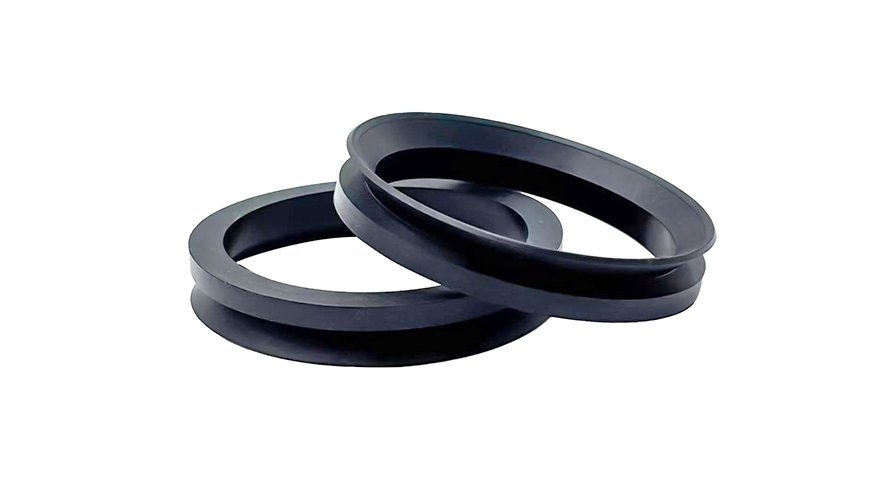



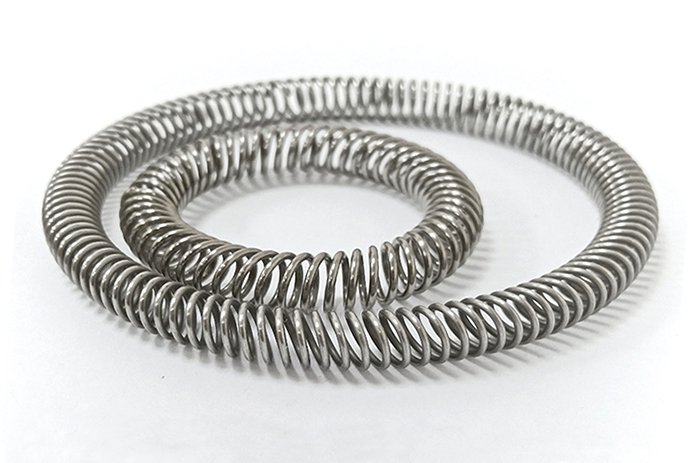
When it comes to advanced sealing and precision load management, canted coil springs have emerged as a standout solution in modern engineering. Also known as slant coil springs or spiral inclined springs, these specialized metallic elastic components are engineered to provide uniform compression, superior force distribution, and exceptional durability. Unlike conventional cylindrical or compression springs, canted coil springs feature wire coils arranged at a specific angle—usually between 30° and 60°—around a central axis, forming a compact ring or cylinder. This unique design allows the spring to transmit force or electrical current via surface contact rather than point contact, making it indispensable for critical applications.
What Are Canted Coil Springs?
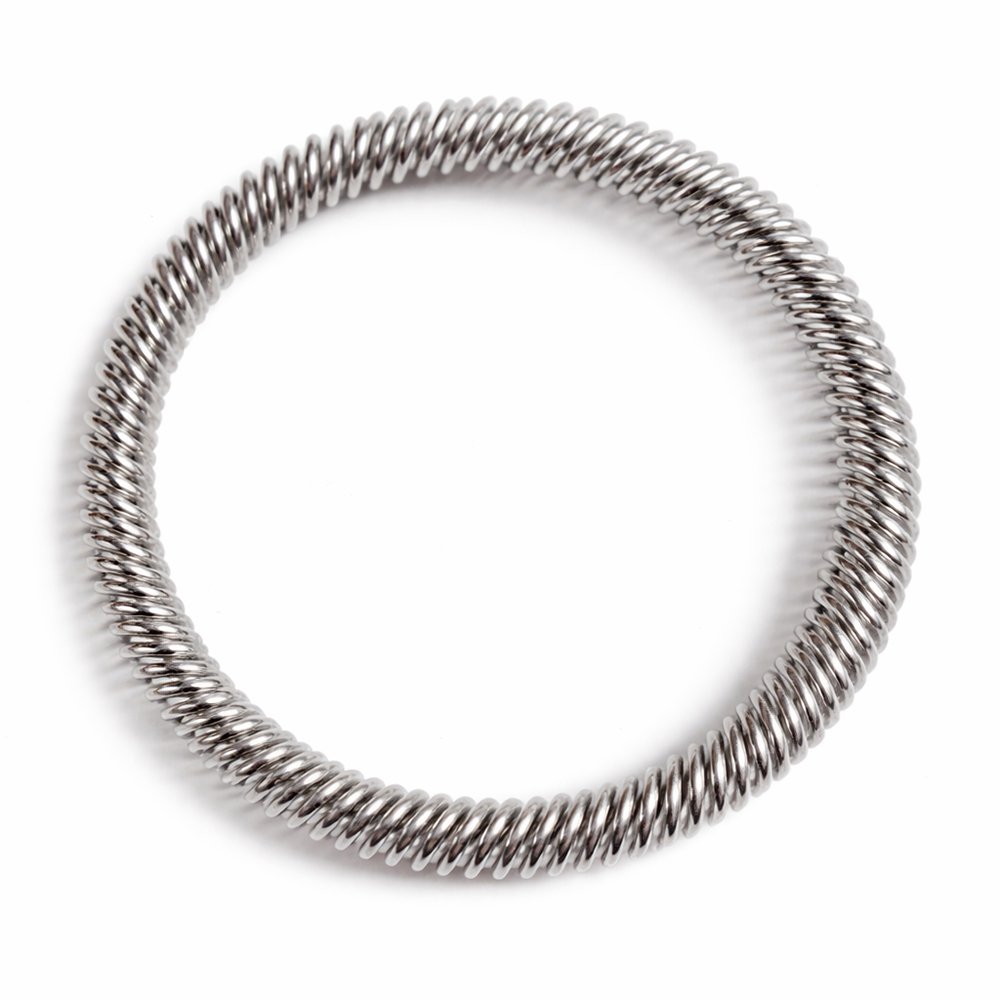
Canted coil springs are a type of metal spring with angled coils that interact collectively to deliver consistent force and motion compensation. Unlike traditional springs that rely on vertical or parallel winding, the inclined structure of canted coil springs allows each coil to deflect in sync with its neighbors, creating a multi-coil load distribution system. This ensures that the spring reacts as a single elastic unit rather than a series of independent coils, minimizing stress concentrations and improving longevity.
In practical applications, these springs are often paired with spring-energized seals to maintain a tight seal under variable pressure, temperature fluctuations, and dynamic loads. By providing continuous radial or axial pressure, they ensure a consistent interface between mating components, which is critical for high-reliability electrical, aerospace, automotive, and industrial systems.
Structural Highlights
- Inclined Coil Design:
The tilt of the coil—usually 30°–60°—ensures a uniform deformation under load, significantly reducing local stress points compared to conventional springs. - Multi-Coil Interaction:
Each coil moves in harmony with adjacent coils, forming an integrated elastic cushion. This reduces the risk of premature failure in a single coil and enhances overall performance. - Surface Contact Advantage:
Canted coil springs provide 3–5 times more contact area than conventional springs. This is crucial for applications requiring uniform pressure transfer, low electrical resistance, or both.
Core Advantages of Canted Coil Springs
1. Superior Dynamic Compensation
- Tolerance Adjustment: Canted coil springs can accommodate installation tolerances from ±0.5mm to ±5mm, depending on the specification. This eliminates the need for high-precision machining while maintaining consistent contact pressure.
- Thermal Expansion Compensation: They perform reliably in extreme temperatures ranging from -200°C to 300°C, with special alloys handling up to 500°C. This makes them ideal for cryogenic seals and high-temperature industrial equipment.
- Vibration and Shock Resistance: Multi-coil interaction disperses stress during sustained vibration or impact, outperforming traditional springs that often fail at a single point.
2. Longevity and Reliability
- Extended Fatigue Life: Canted coil springs endure over 1 million cycles of repetitive deformation, significantly surpassing the fatigue limits of standard springs. This makes them ideal for high-frequency operations in electric vehicle connectors, railway systems, and high-performance actuators.
- No Single-Point Failure Risk: Even if a portion of the spring wears or fails, the overall structure maintains functionality, unlike single-finger spring contacts where failure in one section compromises the whole system.
3. Multi-Functional Integration
- Electrical Conductivity + Sealing: Springs plated with silver or gold can conduct high currents up to 5000A while providing radial sealing against moisture or dust—vital for high-voltage switchgear or outdoor electrical systems.
- Uniform Force Transmission: In mechanical assemblies such as flanges and bearing preloads, canted coil springs ensure stable axial or radial pressure, reducing uneven wear on mating components.
How Canted Coil Springs Work
The working mechanism of canted coil springs relies on the continuous, uniform pressure applied along the seal interface. The angled coils generate a predictable and distributed force that adapts to minor variations in mating surfaces, effectively compensating for imperfections in alignment or surface irregularities. This makes them highly effective for spring-energized seals, rotary shaft seals, and high-frequency electrical contacts, maintaining performance even under fluctuating thermal and mechanical loads.
Material Selection and Manufacturing
Canted coil springs are typically made from high-grade stainless steel, spring steel, or copper alloys. Material choice depends on specific application requirements:
- Stainless Steel: Preferred for corrosive environments due to its excellent corrosion resistance.
- Copper Alloys: Used in applications demanding high electrical conductivity.
- Advanced Alloys or Composites: For extreme temperature or lightweight applications, such as aerospace or deep-sea oil exploration.
Manufacturing Steps:
- Design & Calculation: Engineers use finite element analysis (FEA) to determine coil angles, winding ratios, working coil counts, and end forms to achieve desired stiffness, stress distribution, and fatigue life.
- Precision Winding: Multi-axis CNC coiling machines ensure accurate tilt angles and spacing for each coil.
- Heat Treatment: Controlled quenching and tempering processes achieve optimal elasticity and stress relief.
- Surface Finishing: End-face grinding and shot peening enhance durability and fatigue resistance.
- Testing: Force-displacement curves, fatigue tests, and environmental simulations verify performance before delivery.
Applications Across Industries
Canted coil springs are used across industries due to their multi-directional elasticity, compactness, and high energy density. Typical applications include:
- Aerospace: Used in spacecraft docking seals, satellite instruments, and high-temperature sealing systems. Springs maintain contact under extreme temperature and vacuum conditions.
- Military and Defense: Provide reliable sealing in vehicles, weapons, and communication equipment operating in harsh environments like deserts or polar regions.
- Oil & Gas: Critical for deep-well drilling, blowout preventers, and downhole safety valves where high pressure and corrosive fluids are present.
- Automotive: Essential in engine, transmission, and EV battery connections, delivering uniform pressure and vibration resistance.
- Industrial Machinery: Applied in hydraulic valves, bearing preloads, and precision molds where even force distribution is critical.
- High-Performance Electronics: Used in connectors, circuit switches, and charging systems requiring low-resistance conductive paths.
Unique Mechanical Properties
Nonlinear Stiffness
Canted coil springs exhibit a gradually increasing stiffness as compression progresses. Initial deformation is soft, providing smooth energy absorption, while the end of travel offers higher resistance for load stability. This non-linear behavior is ideal for vibration damping, buffering systems, and valve control mechanisms.
Enhanced Stability and Anti-Buckling
The angled coil design introduces beneficial internal stress distributions that improve lateral rigidity, making the spring resistant to side buckling—a common failure mode in tall, slender conventional compression springs.
High Energy Density
Optimized material use and superior stress distribution allow canted coil springs to store significant elastic energy in a compact volume. This makes them indispensable for applications where space is limited, such as aerospace, medical imaging devices, and precision instruments.
Damping and Anti-Creep
Coil-to-coil contact introduces structural damping, reducing resonance and oscillation in dynamic systems. The uniform stress distribution minimizes localized creep and stress relaxation, ensuring longevity even under continuous or cyclic loads.
Future Trends
Canted coil spring technology continues to evolve with material innovations, digital design tools, and smart manufacturing:
- Advanced Materials: Shape memory alloys, carbon fiber composites, and other high-performance materials offer lighter weight, improved fatigue life, or intelligent responsiveness.
- Generative Design: AI-based simulation and topology optimization enable novel geometries that maximize performance while reducing material usage.
- Smart Springs: Integration of sensors for real-time monitoring of stress, strain, or temperature enables predictive maintenance in critical systems like wind turbines or power grids.
- Extreme Environment Applications: Custom coatings and new alloys are being developed for ultra-low temperatures, high vacuum, or high-pressure environments, including deep-sea and deep-space exploration.